

Introduction to Wedding Alcohol
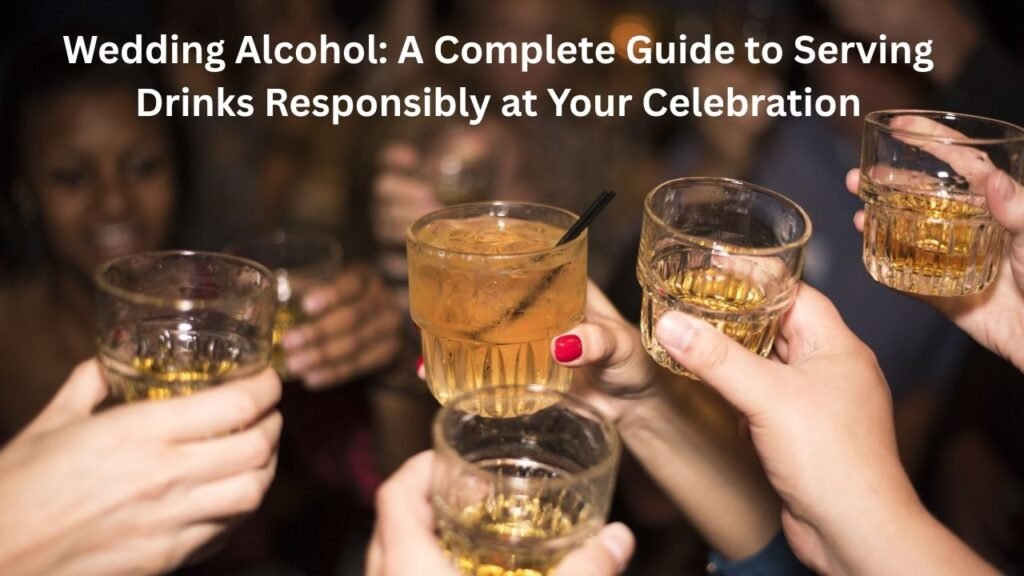
Alcohol is a common feature at many wedding celebrations, helping guests relax, socialize, and toast the newly married couple. From champagne during the reception to signature cocktails at the bar, alcoholic beverages often add a festive touch to the occasion. However, serving alcohol at a wedding requires thoughtful planning and responsible management. Couples should consider their guest list, budget, venue policies, and local laws to ensure everyone enjoys the celebration safely. A well-organized alcohol service can enhance the atmosphere while preventing unnecessary problems.
Deciding Whether to Serve Alcohol
The first decision couples need to make is whether alcohol fits the style and values of their wedding. Some families and cultures traditionally include alcoholic beverages, while others prefer alcohol-free celebrations for religious, personal, or financial reasons. There is no right or wrong choice. The most important consideration is creating an environment where the couple and their guests feel comfortable. Whether alcohol is served or not, thoughtful hospitality and good planning remain the key ingredients of a successful wedding.
Understanding Your Guest List
Knowing your guests helps determine the type and quantity of alcohol to provide. A wedding with mostly older family members may have different beverage preferences than one attended by younger adults. Some guests may not drink alcohol for health, religious, or personal reasons, making it important to offer appealing non-alcoholic alternatives. Considering your guests’ preferences allows you to create a welcoming experience where everyone feels included and respected throughout the celebration.
Setting a Realistic Beverage Budget
Alcohol can represent a significant portion of a wedding budget if not carefully planned. Couples should estimate the number of guests, the duration of the reception, and the types of drinks they intend to serve. Establishing a clear budget early in the planning process helps avoid unnecessary expenses. Choosing a limited drink menu, purchasing beverages in advance where permitted, or selecting package options offered by the venue can help manage costs without reducing the quality of the celebration.
Choosing the Right Types of Drinks
The selection of beverages should match the style and atmosphere of the wedding. Wine and champagne are popular choices for formal receptions, while beer and simple cocktails often suit casual celebrations. Many couples also create signature drinks inspired by their personalities or love story, adding a memorable and personal touch to the event. Offering a balanced selection of alcoholic and non-alcoholic beverages ensures that every guest has enjoyable options throughout the celebration.
The Benefits of Offering Non-Alcoholic Choices
Providing attractive alcohol-free beverages is an essential part of responsible wedding planning. Sparkling water, fresh fruit juices, mocktails, lemonade, iced tea, and specialty coffees allow non-drinking guests to enjoy festive refreshments without feeling excluded. Beautifully presented non-alcoholic drinks can be just as elegant and enjoyable as alcoholic options. A diverse beverage menu demonstrates consideration for guests with different lifestyles and preferences.
We do not remember days, we remember moments. He who has a why to live can bear almost any how. It does not do to dwell on dreams and forget to live.
Hiring Professional Bartenders
Professional bartenders contribute to both the safety and efficiency of wedding receptions. Experienced bartenders know how to prepare drinks consistently, monitor alcohol consumption, and follow responsible serving practices. They can recognize signs of intoxication and politely refuse service when necessary. Hiring trained professionals also allows the couple and their families to relax and enjoy the celebration without worrying about beverage management.
Following Venue Rules and Local Regulations
Every wedding venue has its own policies regarding alcohol service. Some locations require couples to purchase beverages through the venue, while others permit outside suppliers under specific conditions. Local laws may also regulate alcohol licensing, serving hours, and minimum drinking age requirements. Understanding these rules in advance helps prevent unexpected complications and ensures the event remains fully compliant with legal requirements.
Serving Alcohol Responsibly
Responsible alcohol service is essential for creating a safe and enjoyable wedding environment. Drinks should be served in moderation, and guests should never feel pressured to consume alcohol. Providing food throughout the reception helps reduce the effects of alcohol, while ensuring water is readily available encourages hydration. Responsible planning allows guests to celebrate comfortably without excessive drinking becoming the focus of the event.
Preventing Overconsumption
Preventing excessive alcohol consumption requires thoughtful organization rather than strict limitations. Couples may choose to close the bar before the reception ends, limit the selection of high-alcohol beverages, or avoid drinking games that encourage excessive consumption. Bartenders should monitor guests respectfully and intervene when necessary. These simple measures help maintain a positive atmosphere while reducing the likelihood of accidents or disruptive behavior.
Planning Safe Transportation
Guest safety should always remain a priority after the celebration. Couples can encourage responsible travel by providing information about local taxi services, ride-sharing options, hotel accommodations, or shuttle transportation if available. Encouraging guests to arrange designated drivers before the event also supports safer travel. Careful transportation planning demonstrates genuine concern for the well-being of everyone attending the wedding.
Respecting Cultural and Religious Traditions
Wedding traditions vary greatly across cultures and religions. In some communities, alcohol is an important part of wedding celebrations, while in others it is not served at all. Respecting these traditions is an important aspect of planning a meaningful event. Couples should communicate openly with family members and consider cultural expectations when making decisions about beverages, ensuring the celebration reflects their shared values.
Creating an Elegant Beverage Experience
The presentation of drinks contributes to the overall atmosphere of a wedding reception. Attractive glassware, stylish drink stations, decorative garnishes, and personalized cocktail menus create a sophisticated experience for guests. Signature drinks named after the couple or inspired by meaningful memories can add a unique and memorable touch. Attention to presentation enhances the celebration without requiring an extravagant budget.
Balancing Celebration with Responsibility
A successful wedding is remembered for its joyful moments, meaningful ceremonies, and warm hospitality rather than the amount of alcohol served. Couples who focus on creating a welcoming environment with good food, thoughtful entertainment, and responsible beverage service help ensure every guest enjoys the occasion. Balancing celebration with responsibility allows everyone to participate comfortably while preserving the positive atmosphere of the event.
Conclusion
Alcohol can add elegance and enjoyment to a wedding when it is planned thoughtfully and served responsibly. Careful budgeting, understanding guest preferences, providing attractive non-alcoholic alternatives, hiring experienced bartenders, and promoting safe transportation all contribute to a memorable celebration. Most importantly, the focus of every wedding should remain on the love, commitment, and happiness shared by the couple and their families. By combining hospitality with responsible planning, couples can create a wedding celebration that is enjoyable, inclusive, and remembered for all the right reasons.